
- March 9, 2025
- by Editor
- SEO
- 0 Comments
Introduction
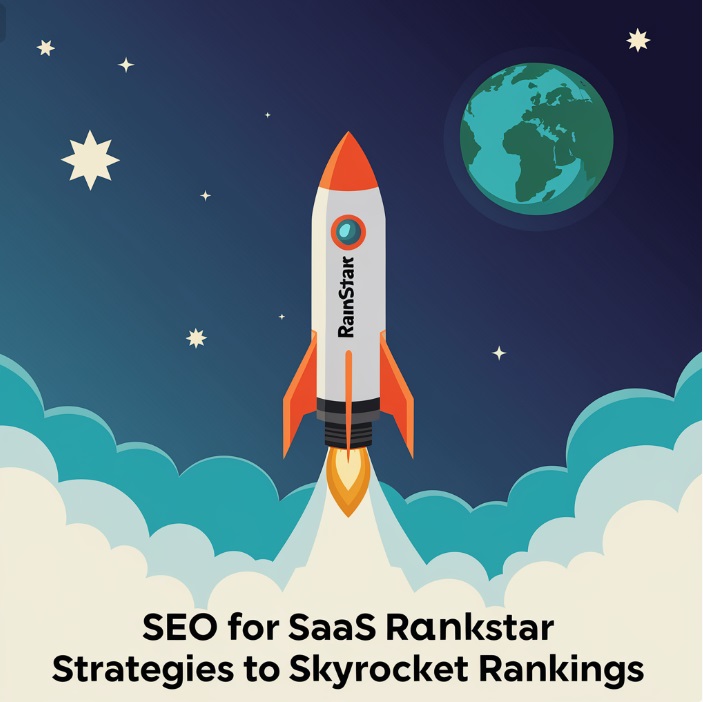
The SaaS market is more crowded than it’s ever been, with new products launching constantly and every company fighting for the same pool of attention. Traditional marketing tactics alone rarely cut it anymore; software buyers do their research online, long before they ever talk to a sales rep. That’s what makes a strong SEO strategy, often referred to in the industry through frameworks like RankStar, a genuine growth lever rather than a nice-to-have.
Why SaaS Companies Need a Different SEO Approach
Software businesses face a handful of challenges that don’t apply to most other industries:
- Low awareness: most prospects don’t know your product exists; they’re searching for a solution to a problem, not for your brand name.
- Long, multi-stakeholder buying cycles: choosing software often involves several decision-makers, free trials, and drawn-out evaluation.
- Educational burden: you often need to explain what your product does and why it matters before anyone will consider buying.
- Recurring revenue model: the goal isn’t a single sale; it’s attracting customers who’ll stick around and keep paying.
These differences are why generic SEO playbooks tend to underperform for SaaS, and why a purpose-built strategy — sometimes packaged under a name like RankStar focuses specifically on keyword targeting, technical execution, and content built around the SaaS buyer journey.
Mapping Content to the SaaS Buyer Journey
Most software buyers move through a predictable path, and your content should meet them at each stage:
Awareness: they’re searching for a problem, not a product (e.g., “how to track team productivity”). Educational articles and how-to guides work best here.
Consideration searches get more specific (“CRM software for small business”). Comparison guides and feature breakdowns help.
Decision they’re comparing named products (“Asana vs Trello”). This is where product demos, pricing pages, and case studies close the gap.
Keyword Research and Search Intent
Good SaaS SEO starts with identifying keywords that match real buyer intent, not just search volume:
- Look for high-intent terms that align with your audience’s specific pain points.
- Study competitor keyword gaps using tools like Ahrefs or SEMrush.
- Separate informational, comparison, and transactional intent so each page targets the right stage of the journey.
On-Page and Content Strategy
Landing pages that convert share a few traits: a clear headline, benefit-driven copy, and a single strong call-to-action — not five competing ones.
Blog content should map to the buyer journey outlined above: thought-leadership and educational posts for awareness, in-depth guides and comparisons for consideration, case studies and testimonials for decision-stage readers.
Product-led content tends to outperform generic advice. Instead of “5 Ways to Manage Projects,” something like “How to Set Up Your First Project in 10 Minutes” using real screenshots from your own product teaches and sells at the same time.
Evergreen vs. topical content: balance long-lasting guides (“How to Choose the Right SaaS CRM”) with timely posts (“SaaS Trends to Watch in 2026”) to capture both steady and trend-driven search traffic.
Technical SEO for SaaS Sites
- Speed: even a one-second delay in load time can meaningfully hurt conversions, especially on demo and signup pages.
- Mobile-first: more than half of all traffic is mobile — responsive design and touch-friendly navigation aren’t optional.
- Security: HTTPS is table stakes for building trust when customers are entering payment or account details.
- Clean architecture: logical URL structure and strategic internal linking help both crawlability and link-equity flow.
- Duplicate content: SaaS sites often generate near-duplicate pages (feature pages, pricing variants). Use canonical tags and regular audits to keep this in check.
Building Authority Through Backlinks
Not all backlinks carry equal weight a single link from a respected industry publication outweighs dozens from low-quality directories. Focus on:
- Original research or data that other sites want to cite.
- Genuine relationships with industry publications and communities.
- Integration partnerships — getting listed in a partner’s marketplace or directory is a natural, high-relevance link source.
- Review platforms like G2 and Capterra, which double as discovery channels and trust signals.
Local and Global Considerations
SaaS SEO isn’t purely a global game — niche or regional products can benefit from localized keywords (“SaaS tools for New York startups”) and geotargeted landing pages, alongside a properly maintained Google Business Profile where relevant.
Measuring What Actually Matters
Traffic alone is a vanity metric. Track:
- Qualified trial signups and trial-to-paid conversion rate.
- Customer acquisition cost from organic vs. paid channels.
- Monthly recurring revenue attributable to organic search.
Attribution is genuinely hard in SaaS — someone might read a blog post, come back weeks later for a comparison article, then convert after a testimonial. Proper tracking (Google Analytics + Search Console at minimum) helps connect content investment to revenue, not just traffic.
Common Pitfalls
- Chasing volume over intent: ranking for a high-volume keyword that doesn’t match your product brings visitors who bounce immediately.
- Ignoring UX: traffic is wasted if the site is slow or confusing to navigate.
- Expecting fast results: organic SEO compounds over months, not weeks; companies that give up early rarely see the payoff.
FAQ
What is SaaS SEO Rankstar?
It’s a specialized SEO approach built specifically around how SaaS companies acquire and retain customers — combining keyword strategy, technical execution, and content built for the SaaS buyer journey, rather than a generic SEO playbook.
How is SaaS SEO different from regular SEO?
SaaS buyers go through longer, multi-stakeholder decision cycles, and the content needs to educate as much as it needs to rank; plus, SEO here has to account for retention, not just acquisition.
How long does SaaS SEO take to show results?
Organic SEO is a compounding channel — most SaaS companies start seeing meaningful traffic and lead growth over 3-6 months, with the biggest gains accumulating over a year or more of consistent effort.