- December 3, 2025
- by Editor
- SEO
- 0 Comments
The software industry has never been more competitive. Every day, hundreds of new SaaS products launch, each fighting for attention in an already crowded marketplace. For software companies looking to stand out, traditional marketing methods simply aren’t enough anymore. This is where strategic search optimization becomes a game-changer.
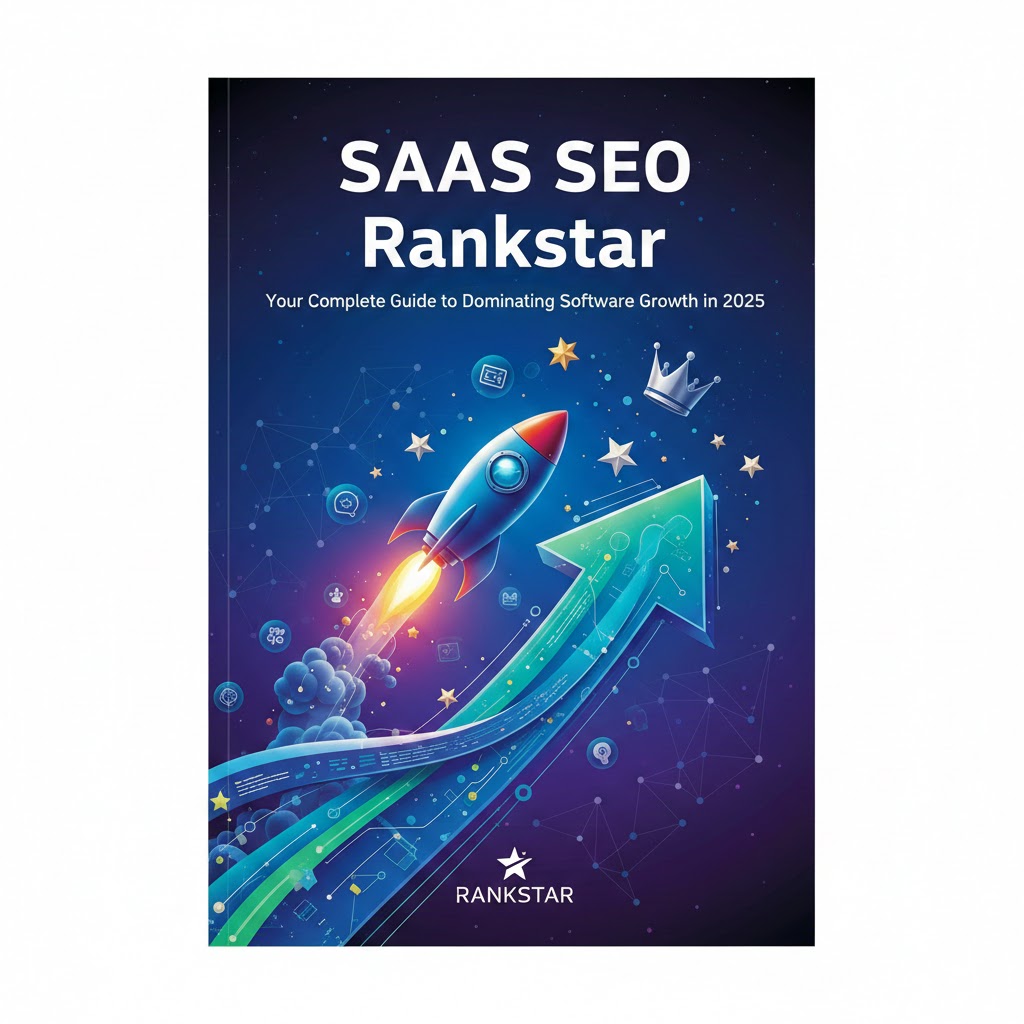
What Is SAAS SEO Rankstar?
SAAS SEO Rankstar represents a specialized approach to search engine optimization designed specifically for software companies. Unlike generic marketing strategies, this method focuses on the unique challenges that SaaS businesses face when trying to attract and convert customers online.
At its core, this strategy helps software companies improve their visibility in search results, bringing in qualified visitors who are actively looking for solutions. The approach combines technical expertise with content creation and strategic planning to build sustainable growth channels.
Why Software Companies Need Specialized Search Optimization
Software products exist entirely in the digital space, which means potential customers are almost always searching online when they need solutions. However, the traditional playbook doesn’t quite work for SaaS companies.
Here’s why software businesses face unique challenges:
The Awareness Problem: Many potential customers don’t even know your product exists. They’re searching for solutions to their problems, not for your specific tool.
Long Decision Cycles: Unlike buying a pair of shoes, choosing software often involves multiple decision-makers, free trials, and careful evaluation periods.
Technical Complexity: Explaining what your software does and how it solves problems requires educational content that builds trust over time.
Subscription Models: The goal isn’t just one-time sales but recurring revenue, which means attracting customers who will stay long-term.
These factors mean that software companies need a fundamentally different approach to reaching their audience.
The Foundation: Understanding Your Customer’s Journey
Before diving into tactics, successful software marketing starts with understanding how people find and choose your product.
The Search Behavior Pattern
When someone needs software, they typically follow a predictable path:
First, they realize they have a problem. They might search for “how to track team productivity” or “ways to manage customer data better.
Next, they start exploring solutions. Their searches become more specific: “project management tools for remote teams” or “CRM software for small businesses.
Finally, they compare options. At this stage, they’re looking at specific products: “Asana vs Trello” or “best alternatives to Salesforce.”
Understanding this journey helps software companies create content that meets potential customers at every stage.
Mapping Content to Intent
Each stage of the journey requires different content approaches:
Awareness Stage: Educational articles, how-to guides, and problem-solving content work best here. These pieces answer questions and build trust without pushing sales.
Consideration Stage: Comparison guides, feature breakdowns, and use-case examples help people understand different solutions available.
Decision Stage: Product demos, case studies, pricing pages, and direct comparisons help prospects make their final choice.
Building a Sustainable Growth Engine
The most successful software companies don’t rely on paid advertising alone. They build organic channels that compound over time.
The Power of Compounding Content
Unlike paid ads that stop working the moment you stop spending, well-optimized content continues delivering value month after month. A single article published today can bring in customers for years.
This compounding effect happens because:
Search engines reward websites that consistently publish valuable content. Over time, your site builds authority in your niche.
Good content earns natural links from other websites, strengthening your overall domain authority.
Educational content establishes your brand as a trusted expert, making people more likely to choose you when they’re ready to buy.
Creating Product-Led Content
One of the most effective strategies for software companies involves creating content that naturally showcases your product while solving problems.
Instead of writing generic advice, product-led content demonstrates solutions using your actual software. For example, rather than “5 Ways to Manage Projects,” you’d create “How to Set Up Your First Project in 10 Minutes” with screenshots and examples from your tool.
This approach educates readers while showing them exactly how your product solves their problem.
Technical Excellence: The Infrastructure of Success
Beautiful content means nothing if your website doesn’t work properly. Technical optimization ensures that both search engines and users can access and enjoy your site.
Speed Matters More Than You Think
Research shows that even a one-second delay in page loading can significantly reduce conversions. For software companies, where demos and sign-ups happen online, speed directly impacts revenue.
Optimizing images, minimizing code, and using modern hosting solutions can dramatically improve loading times.
Mobile-First Is No Longer Optional
More than half of all internet traffic now comes from mobile devices. Software companies must ensure their websites work flawlessly on phones and tablets.
This means responsive designs that adapt to different screen sizes, touch-friendly navigation, and content that’s easy to read on smaller displays.
Security Builds Trust
Encrypted connections using HTTPS aren’t just good practice—they’re essential for building trust. Potential customers want to know their information is safe, especially when signing up for software trials or entering payment details.
Content Strategies That Convert
Creating content is one thing. Creating content that actually brings in customers is another.
Answering Real Questions
The best content starts with understanding what your potential customers are actually asking. Tools like answer forums, customer support tickets, and keyword research reveal the real questions people have.
By addressing these questions thoroughly, software companies can capture search traffic from people actively looking for solutions.
Long-Form vs. Short-Form Content
Both have their place in a comprehensive strategy. Long-form guides establish authority and rank well for competitive terms. Short, focused articles answer specific questions quickly and can capture long-tail searches.
The key is matching content length to the complexity of the question being answered.
The Case Study Advantage
Nothing builds credibility like showing real results. Case studies demonstrate that your software actually delivers on its promises.
The most effective case studies include:
Specific details about the customer’s challenge
Clear explanation of how your software was implemented
Measurable results with actual numbers
Direct quotes from satisfied customers
These elements combine to create powerful social proof that influences potential buyers.
Building Authority and Credibility
Search engines want to rank websites that are trustworthy and authoritative. Software companies can build this credibility through strategic efforts.
Quality Over Quantity in Link Building
Getting other websites to link to yours signals value to search engines. However, not all links are created equal.
A single link from a respected industry publication carries more weight than dozens of links from low-quality directories.
Focus on earning links through:
Creating original research that others want to cite
Building genuine relationships with industry publications
Contributing expert insights to relevant discussions
Developing tools or resources that naturally attract attention
Leveraging Integration Partnerships
Software rarely exists in isolation. Most products integrate with other popular tools. These integration partnerships create natural opportunities for quality backlinks.
When you integrate with established platforms, getting listed in their integration marketplace or partner directory provides valuable exposure and credibility.
Review Platform Presence
Sites like G2, Capterra, and TrustRadius significantly influence software purchase decisions. Maintaining active profiles with positive reviews not only helps with credibility but also creates additional pathways for potential customers to discover your product.
Measuring What Matters
Success in software marketing requires tracking the right metrics, not just vanity numbers.
Beyond Traffic: Focus on Revenue Impact
While increasing website visitors feels good, what really matters is how those visitors impact your business goals.
Key metrics include:
Qualified sign-ups for free trials
Conversion rates from trial to paid
Customer acquisition cost compared to paid channels
Lifetime value of customers from organic search
Monthly recurring revenue attributed to organic traffic
These metrics connect marketing efforts directly to business outcomes.
The Attribution Challenge
Software purchases rarely happen in a single visit. Someone might discover your blog post, return weeks later for a comparison article, and finally sign up after seeing a customer testimonial.
Proper attribution tracking helps understand which content plays what role in the customer journey. This insight allows smarter investment in content creation.
Advanced Strategies for Scaling
Once the foundation is solid, software companies can implement more sophisticated approaches.
Programmatic Content Creation
For software with many use cases or serving multiple industries, creating hundreds of targeted pages becomes valuable. Programmatic approaches use templates and databases to scale content creation.
For example, a project management tool might create separate landing pages for “project management for construction,” “project management for marketing agencies,” and dozens of other specific industries.
Each page addresses the unique needs of that audience while maintaining quality and relevance.
Community-Driven Growth
Active participation in communities where your potential customers spend time creates awareness and builds authority. This includes:
Thoughtfully answering questions on relevant forums
Contributing to industry discussions on professional networks
Creating and nurturing your own user community
Sharing insights on platforms where your audience is active
The key is genuine helpfulness, not self-promotion.
Content Refreshing and Optimization
Older content can lose relevance over time. Regular audits identify articles that need updating with new information, improved optimization, or better alignment with current search behavior.
Refreshing existing content often delivers better results than creating new articles from scratch.
Common Pitfalls to Avoid
Even experienced software marketers make mistakes that undermine their efforts.
Ignoring Search Intent
Ranking for high-volume keywords feels like success, but if those keywords don’t match what your product actually does, you’ll attract visitors who quickly leave disappointed.
Better to rank well for smaller, more targeted searches that bring qualified prospects.
Neglecting the User Experience
All the traffic in the world won’t help if your website is confusing, slow, or difficult to navigate. Regular usability testing ensures visitors can easily find what they need and take desired actions.
Short-Term Thinking
Building sustainable organic channels takes time. Software companies that expect immediate results often abandon effective strategies before they have a chance to work.
The most successful companies commit to consistent effort over months and years, understanding that the investment compounds over time.
The Role of Specialized Agencies
While some software companies build internal expertise, others benefit from partnering with specialized agencies that understand the unique challenges of the industry.
What to Look for in a Partner
The right agency brings:
Deep understanding of software business models
Experience with subscription-based revenue
Technical expertise for complex implementations
Track record of measurable results for similar companies
Transparent reporting on performance and progress
The Value of Industry Expertise
Generic marketing agencies often struggle with software marketing because they don’t understand the nuances. Specialized partners know the difference between targeting IT decision-makers versus end users, understand the importance of product-led growth, and can navigate complex buying cycles.
Future Trends Shaping Software Marketing
The landscape continues evolving, and forward-thinking companies prepare for what’s coming.
AI and Personalization
Artificial intelligence increasingly helps understand user behavior and personalize experiences. Software companies can leverage these tools to show more relevant content to each visitor.
Voice Search Optimization
As voice-activated devices become more common, optimizing for conversational queries gains importance. This means focusing on natural language and question-based content.
Video Content Growth
Video continues gaining importance in search results. Software companies that create helpful video tutorials, product walkthroughs, and educational content gain advantages in visibility and engagement.
Taking Action: Your Next Steps
Understanding strategy is one thing. Implementation is where real results happen.
Starting with an Audit
Before investing in new efforts, assess your current situation. A comprehensive audit reveals strengths to build on and weaknesses that need attention.
Key areas to evaluate:
Technical health of your website
Current content quality and gaps
Competitive landscape in your space
Existing authority and link profile
Conversion optimization opportunities
Building Your Content Foundation
Start with content that addresses the most common questions your potential customers have. These money topics directly influence purchase decisions and should be your first priority.
Establishing Consistent Processes
Sustainable success requires ongoing effort, not one-time projects. Establish regular processes for:
Publishing new content on a consistent schedule
Monitoring performance and making data-driven adjustments
Building relationships for link acquisition
Updating and improving existing content
Responding to algorithm changes and market shifts
Conclusion: The Path to Sustainable Growth
In an increasingly crowded software marketplace, companies that invest in building sustainable organic channels gain lasting competitive advantages. While paid advertising has its place, organic search provides compound returns that grow stronger over time.
The SAAS SEO Rankstar approach recognizes the unique needs of software companies and provides frameworks for attracting, educating, and converting customers through strategic optimization. By focusing on understanding customer journeys, creating valuable content, maintaining technical excellence, and consistently measuring results, software companies can build predictable growth channels.
Success doesn’t happen overnight, but companies that commit to the process find themselves with an asset that continues delivering value month after month, year after year. The software companies dominating their markets tomorrow are the ones investing in these strategies today.
Whether building internal capabilities or partnering with specialized agencies, the time to start is now. Every day delayed is potential growth left on the table. The question isn’t whether to invest in strategic optimization it’s how quickly you can get started building your sustainable growth engine.